
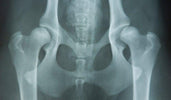
Everything you need to know about hip dysplasia in dogs
, by Michael van Wassem, 4 min reading time
, by Michael van Wassem, 4 min reading time
Hip dysplasia is one of the most common joint problems in dogs and can significantly impact their quality of life. This condition can cause pain and limit mobility, but with proper care and preventative measures, you can support your dog and even help prevent the problem from worsening. This blog discusses what hip dysplasia is, its causes, symptoms, and how to prevent it.
Hip dysplasia is a hereditary condition in which the hip socket and ball do not fit together properly. This results in an unstable joint that can cause wear and tear and pain over time. Although it mainly occurs in large dog breeds such as the German Shepherd, Labrador Retriever and Golden Retriever, smaller dog breeds can also be affected.
Hip dysplasia often results from a combination of genetic predisposition and environmental factors, such as:
Genetics : Some breeds have a higher chance of hip dysplasia due to their genetic predisposition.
Rapid growth : In puppies of large breeds, growth that is too rapid can affect the development of the joints.
Obesity : Excess weight puts unnecessary strain on the joints, which can contribute to wear and tear.
Intensive strain : Excessive or incorrect movement at a young age can increase the risk.
The symptoms of hip dysplasia vary depending on the severity of the condition. Pay attention to the following signs:
Having trouble getting up or lying down.
Stiffness, especially after rest.
Less desire to play, run, or jump.
Lameness or an abnormal gait (wobbly hindquarters)
Pain when touched around the hips.
If you notice any of these symptoms, it's important to consult a veterinarian.
Although genetic predisposition cannot be prevented, you can significantly reduce the risk and impact of hip dysplasia with the right measures:
Car ramp : This prevents your dog from having to make large jumps, which puts unnecessary strain on the joints.
Orthopedic beds : These provide extra support and comfort for the joints during rest.
Harnesses instead of collars : A properly fitted harness reduces pressure on the joints during walks.
Maintaining a healthy weight is essential to reduce stress on the joints. Choose food that is appropriate for your dog's age, size, and activity level, and don't give them too many treats.
Regular, moderate exercise is important. This includes walks, swimming, or other activities that don't put excessive strain on the joints. Avoid activities involving sudden turns or jumping, especially for young dogs.
A diet rich in omega-3 fatty acids, glucosamine, and chondroitin can support joint health. Consult your veterinarian for specific supplements.
Have your dog checked regularly by a veterinarian, especially if your dog is of a high-risk breed. Early detection can help slow the progression of hip dysplasia.
If your dog already suffers from hip dysplasia, there are several treatment options available, depending on the severity:
Physiotherapy : This can help to strengthen the muscles around the joint.
Medication : Pain relievers and anti-inflammatory drugs can alleviate the symptoms.
Surgery : In severe cases, surgery may be necessary, such as a hip replacement or pelvic realignment.
Hip dysplasia can be a challenge for both dogs and their owners, but with the right preventative measures and timely treatment, you can ensure your dog enjoys a comfortable and active life. At Fidello, we understand how important it is to support your dog. That's why we offer products such as ramps, orthopedic beds, and high-quality harnesses, specially designed to protect your dog's joints. Browse our range and help your dog move more comfortably today!
Photo by: licg


