

Why a dog-friendly garden is so important
, by Michael van Wassem, 5 min reading time
, by Michael van Wassem, 5 min reading time
For many dogs, the garden is a little paradise: running, sniffing, playing, exploring… But a standard garden is rarely safe or truly suitable for a dog from the start. By consciously designing your garden to be dog-friendly, you prevent accidents, damage, escapes and health risks. You also create a place where your dog can move, relax and be mentally stimulated – without you having to watch every second.
Dogs are surprisingly creative: they can jump, dig, climb or squeeze through tiny gaps. So pay attention to:
Minimum height: 1.2 m for small/medium dogs, 1.8 m for large or athletic breeds
No large gaps they can slip through
Strong material that does not split and has no sharp edges
Extra protection for dogs that love to dig (e.g. wire mesh along the bottom)
For young dogs, a separate enclosed area can add extra safety. A sturdy Trixie puppyren is ideal for temporarily fencing off part of the garden, so your puppy can get used to being outside in a controlled way.
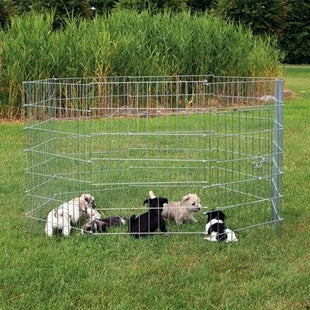
Storms, moisture and wear can create escape routes. Walk around your fencing about once a month to check everything is still secure.
Dogs love to make their own paths. If you don’t create them, your dog will. Avoid worn-out patches of lawn by:
bark or wood chips
gravel (not sharp!)
paving stones
patio tiles
Defined paths provide structure and reduce stress. Some dogs instinctively use these routes to patrol and keep an eye on the garden.
Some plants look beautiful but are very dangerous for dogs. Toxic plants include:
yew (Taxus)
oleander
rhododendron
lilies
boxwood (buxus)
autumn crocus
foxglove (digitalis)
lavender
SunPatiens
herbs (thyme, basil, mint)
daisies
hydrangeas (mildly toxic, but rarely an issue in practice)
ornamental grasses
Herb beds have a calming effect and encourage natural sniffing behaviour.
Dogs can overheat quickly, especially in summer. A dog-friendly garden always offers:
trees
parasol or umbrella
shade sail
covered patio or shelter
Tiles and paving get hot quickly; grass or wooden decking stay cooler.
shallow dog pools
sprinkler
cooling mat (for indoor and outdoor use)
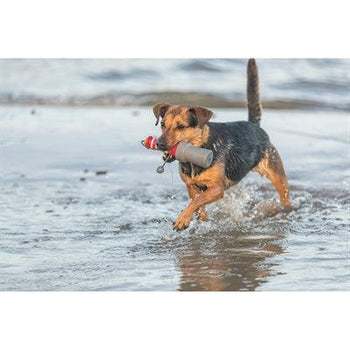
You can add extra water fun with water toys for dogs. They make the garden more exciting and help your dog cool down on hot days.
Some dogs practically need to dig – it’s part of their instinct. Instead of fighting it, guide it by creating a dedicated digging zone:
a sandpit
a corner with loose soil or sand
hidden toys for extra fun
Keep this area attractive and rewarding, and the rest of your garden is more likely to stay intact.
Dogs don’t just get tired from walking – sniffing makes them happier and more relaxed.
a sniff strip along the edge of the garden
shrubs that trap lots of interesting smells
places where you can hide kibble or treats
scent trails with herbs like chamomile or rosemary
Use interactive dog toys that are suitable for outdoor use.
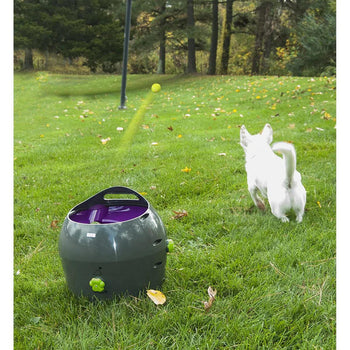
You can combine sniffing games with short training sessions. With good training accessories you turn your garden into a fun and educational playground. For dogs that love to run, ball launchers are ideal. Your dog can burn off energy while you don’t have to throw the ball far every time. You can even create a fixed fetch zone to keep the rest of the garden tidy.
Just like indoors, dogs need their own space outdoors too.
a soft outdoor dog bed
a covered dog house
a raised dog bed (airy and easy to keep clean)
A quiet zone helps dogs process stimuli and prevents them from becoming overstimulated.
A muddy garden is bad for your lawn and for your floors indoors.
add gravel paths
ensure good drainage
use rubber mats at doors and entrances
keep a towel ready for rainy days
Dogs are less likely to slip and both paws and house stay cleaner.
Do you have a pond?
Make sure there’s a shallow entry/exit so dogs can climb out
Use netting or a low fence around deep ponds
Avoid toxic aquatic plants
Watch out for blue-green algae in summer
Some dogs like to drink from any water they see – make sure that water isn’t dangerous.
A dog-friendly garden should also be neighbour-friendly.
create shade – heat often makes dogs restless
provide plenty of mental enrichment
block sightlines for reactive dogs
ensure enough exercise at consistent times
A dog-friendly garden is a balance between safety, stimulation, relaxation and nature. By looking at your garden through your dog’s instincts – sniffing, resting, exploring, guarding, digging – you create an environment where your dog truly feels at home.


