
9 Common Flea and Tick Control Mistakes (and How to Avoid Them)
, by Michael van Wassem, 4 min reading time
, by Michael van Wassem, 4 min reading time
Fleas, ticks, and intestinal parasites such as worms and Giardia occur all year round — even in dogs that live indoors. Yet in practice, parasite control often goes wrong, causing infestations to return or even worsen. In this article you’ll find the nine most common mistakes — and what you should do instead for an effective and safe approach.
During a flea infestation, only 5–10% of fleas live on the animal. The rest (eggs, larvae, and pupae) are in beds, carpets, sofas, and floors. Giving only a tablet or spot-on treatment addresses just a small part of the problem.
What does work
Combine animal + environment. Use an environmental product or cleaning approach at home alongside a treatment on the animal.
Many products protect for only 4 to 8 weeks. As soon as protection wears off while eggs are still present in the home, reinfestation begins immediately.
What does work
Repeat according to the label and set reminders. Skipping a month means starting all over.
A 3 kg dog does not belong in the 4–10 kg category. Under- or overdosing reduces effectiveness and increases risk of side effects.
What does work
Weigh your pet, choose strictly by weight, and adjust if the weight changes.
Many people combine collar + spray + tablet + coconut oil simultaneously without knowing the role of each.
What does work
Choose one primary prevention (tablet, spot-on, or collar) and use natural products as an additional layer, not as replacement.
You cannot see larvae and pupae. Stopping when the animal looks flea-free gives the infestation room to return.
What does work
Continue for at least two life cycles until the environment is parasite-free as well.
A collar or tablet prevents much, but does not 100% prevent tick attachment. Ticks may still latch on briefly.
What does work
Check after every walk — especially the head, neck, armpits, groin, and tail base.
Deltamethrin (found in some dog collars) is toxic to cats. A cat lying against a treated dog can become ill.
What does work
Use cat-safe options or temporarily separate pets when using high-risk products.
A spot-on applied on fur instead of skin, or bathing the dog within 24–48 hours after application, reduces effectiveness.
What does work
Apply only on intact skin, no shampoo right before/after, let the product dry fully.
Diarrhea, itching, or weight loss are often blamed on food, while parasites like worms or Giardia are the real cause. A dog with Giardia will keep the household contaminated if deworming is not done.
What does work
When in doubt, treat with a broad-spectrum dewormer or test when symptoms occur.
Choose a fixed primary protection (spot-on, tablet, or collar)
Treat both animal and environment during an active infestation
Repeat according to label — not only when symptoms reappear
Manually check after every walk
Consider deworming or Giardia treatment when in doubt
Want to learn more or choose the right products right away?
See the collection of flea–tick–deworming products at Fidello.
Giardia and deworming products such as Panacur:
Panacur tablets • Panacur paste
Natural supplementary protection:
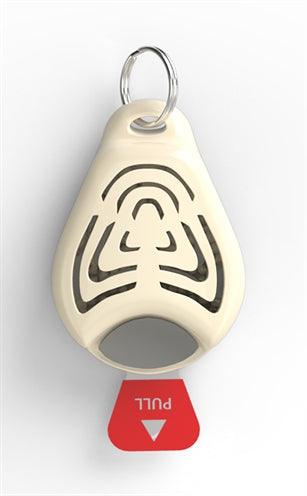
Rosewood flea comb • Tickless tick & flea repellent
A separate cat-safe selection is available for feline systems:
See cat care and deworming products

We are not veterinarians. In case of doubt or persistent symptoms, consult your veterinarian.


